Insights from Elk Talk Podcast: Late Season Elk Behavior
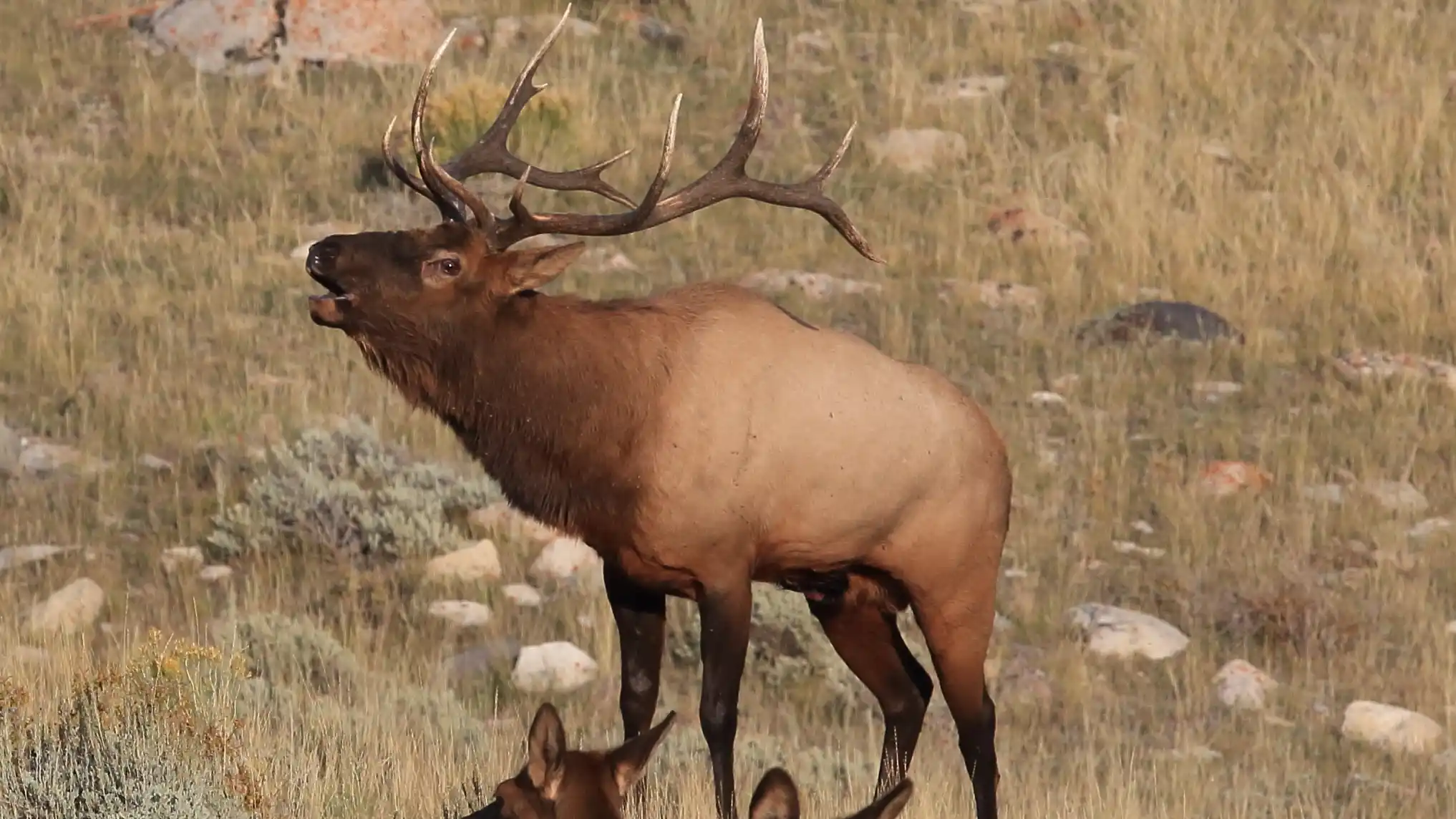
We recently listened to an episode of the Elk Talk Podcast focused on what happens after the rut and how elk transition into the late season. Randy Newberg and Corey Jacobsen break down the quieter half of the year, explaining how bulls move into recovery mode, how weather reshapes their behavior, and why certain pockets of habitat keep producing even when surrounding areas feel empty. It is a helpful conversation for anyone trying to understand how late-season behavior drives what you actually see in the field.
You can listen to the full episode here:
Elk Talk Podcast Episode 156 — Late Season Elk Behavior
How Elk Settle Into the Late Season
Bulls Change Priorities Once October Arrives
After weeks of nonstop pressure, fighting, and chasing cows, mature bulls pull back into deep, secure cover and stay mostly silent. They rest and conserve energy, and as they regain strength, small bachelor groups begin to form again. This is the point where elk become noticeably more predictable. Bulls feed longer in the mornings, step out earlier in the afternoons, and follow defined routes between bedding areas and reachable forage.
For hunters, this is a welcome shift from September’s chaos. With the rut behind them, bulls move with more purpose, and glassing becomes the most reliable way to find them.
Food Starts Driving Movement
As temperatures drop, elk look for calories they can reach without burning unnecessary energy. Hillsides that were heavily grazed earlier in the summer often lack usable forage once snow settles, so elk favor pockets where feed still stands above the crust. Two slopes may look similar at first glance, but the one with leftover food often wins.
Cold nights influence movement more than snow depth. Elk can handle deep powder surprisingly well, but a hard freeze can push parts of the herd a few hundred feet down or start nudging them along the earliest stages of their migration routes. Tracking temperature swings often paints a clearer picture than following storm totals.
Making Sense of What You See on the Mountain
Pressure Moves Elk, But Not Always Far
In high-pressure states like Colorado, elk sometimes slip onto private refuge simply because they are tired of being bumped. This is not true migration, just avoidance. Once things settle down or weather changes, elk often drift back onto more accessible ground. This back-and-forth helps explain why some late-season hunts feel empty in the middle and productive again toward the end.
Glassing Pays Off
Cold, noisy snow makes it nearly impossible to stalk quietly. Elk hear hunters long before they see them. Long sessions behind glass, even in rough weather, are the most dependable way to locate November bulls. Tracks can help fill in the gaps: a handful of wandering prints usually indicates bulls feeding close by, while long strings of cow tracks may mark early migration movement.
Habitat That Matters in November
Edges of recent burns, selective logging, and lightly disturbed timber tend to offer the best mix of bedding cover and reachable forage. Bulls can bed securely and feed without traveling far. These transition zones often explain why harvest clusters form in the same way year after year.
Why It Matters
TAGZ exists to help hunters keep their knowledge balanced throughout the year, and understanding late-season behavior makes it easier to read the landscape with confidence. The original episode is full of jokes, side stories, and the kind of back-and-forth between two hunters who have spent decades comparing notes, but the main ideas translate into clear takeaways you can use when the woods go quiet and the season shifts from calling to glassing.